

Cosmética Vegana.
Creemos en la honestidad y nos preocupamos por tu salud, es por eso que nuestros ingredientes son minuciosamente elegidos para tu beneficio. ¡Sin formol, ni químicos tóxicos! 💞
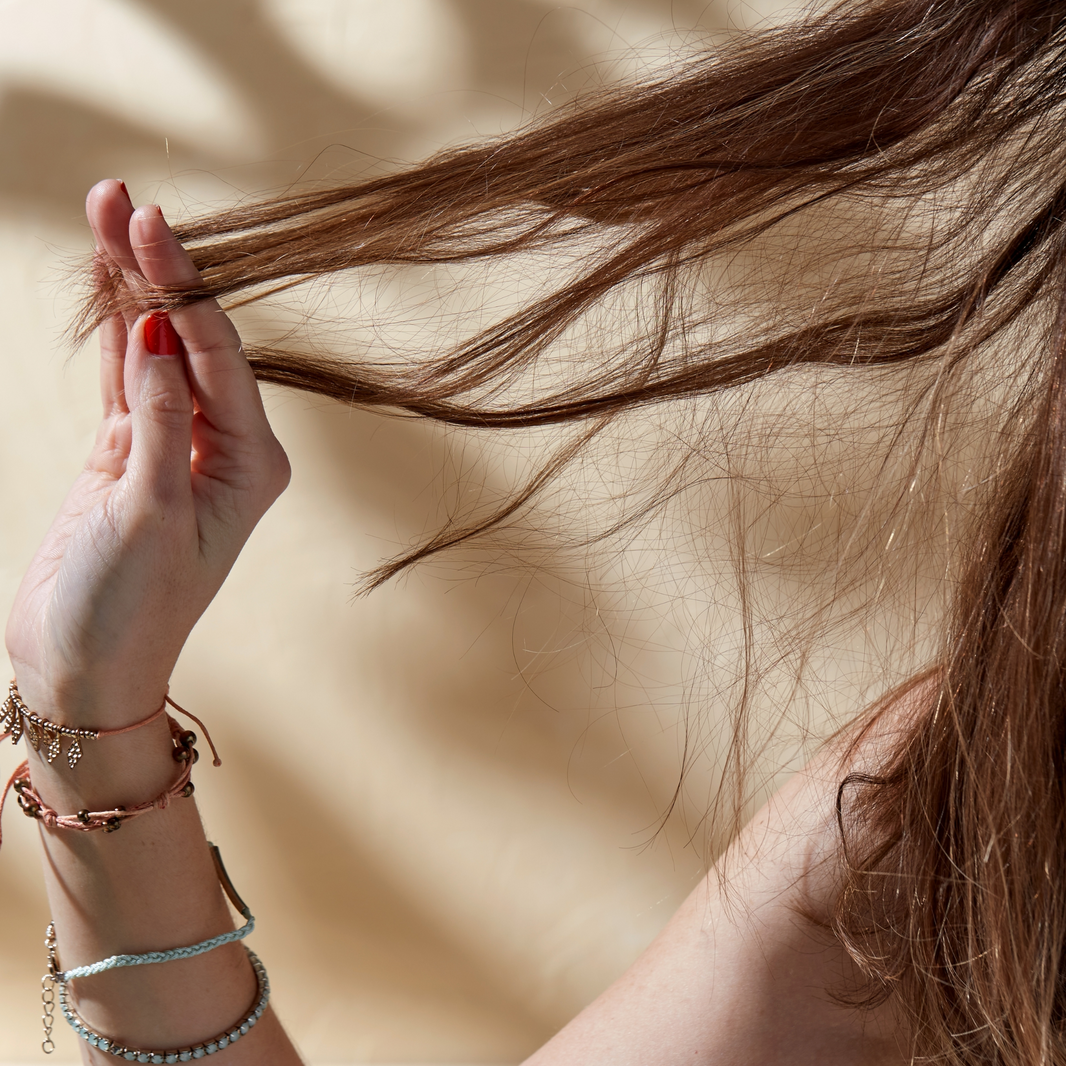
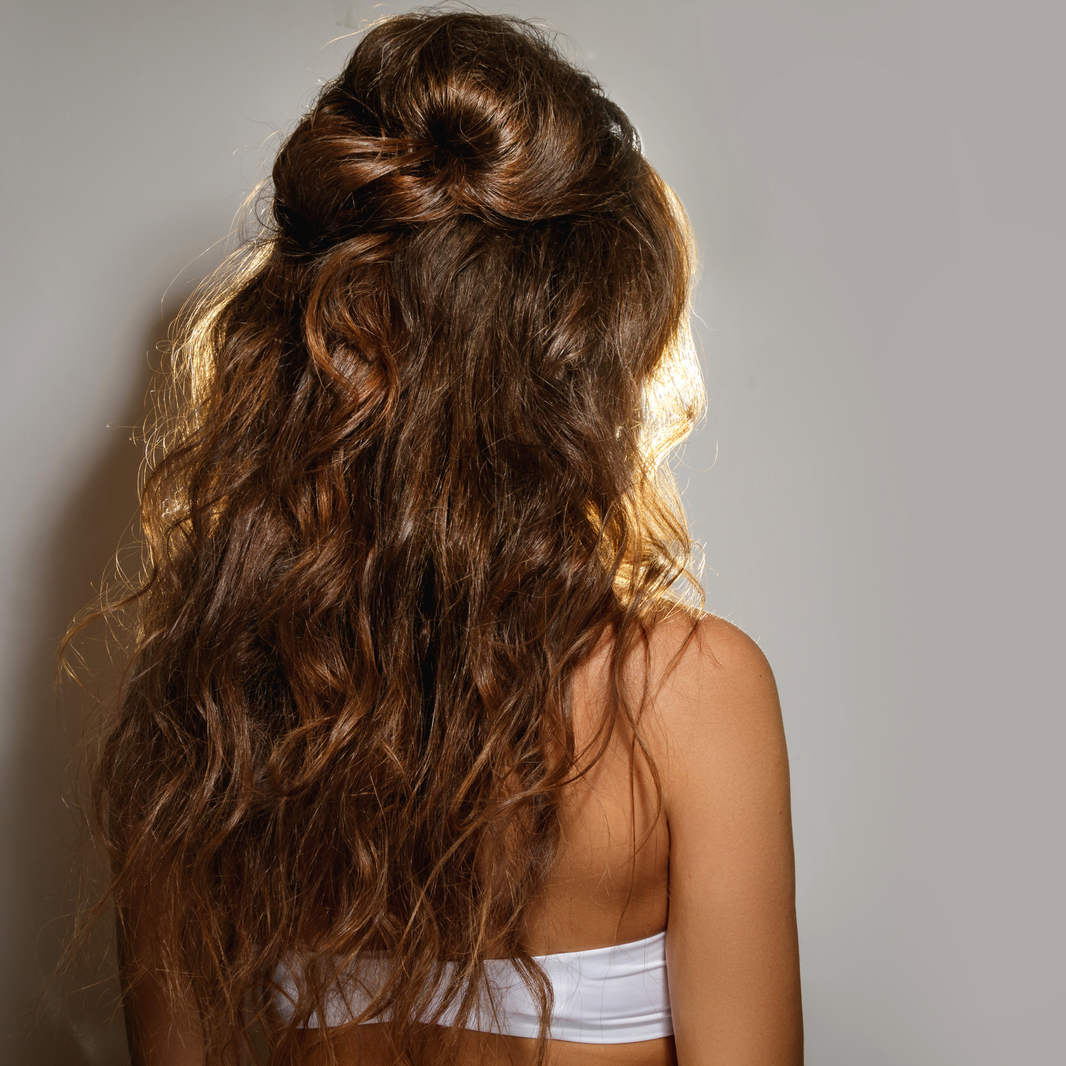
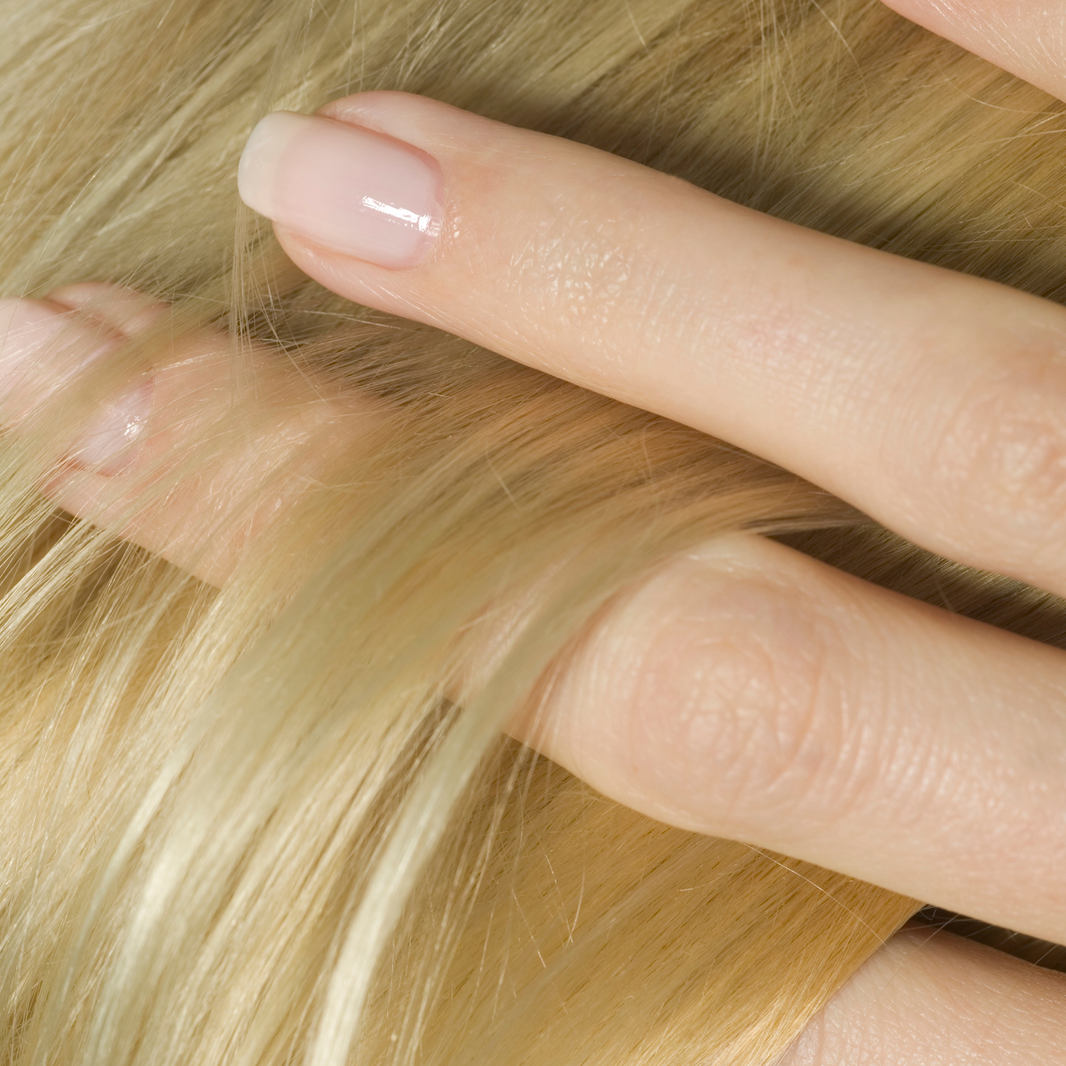
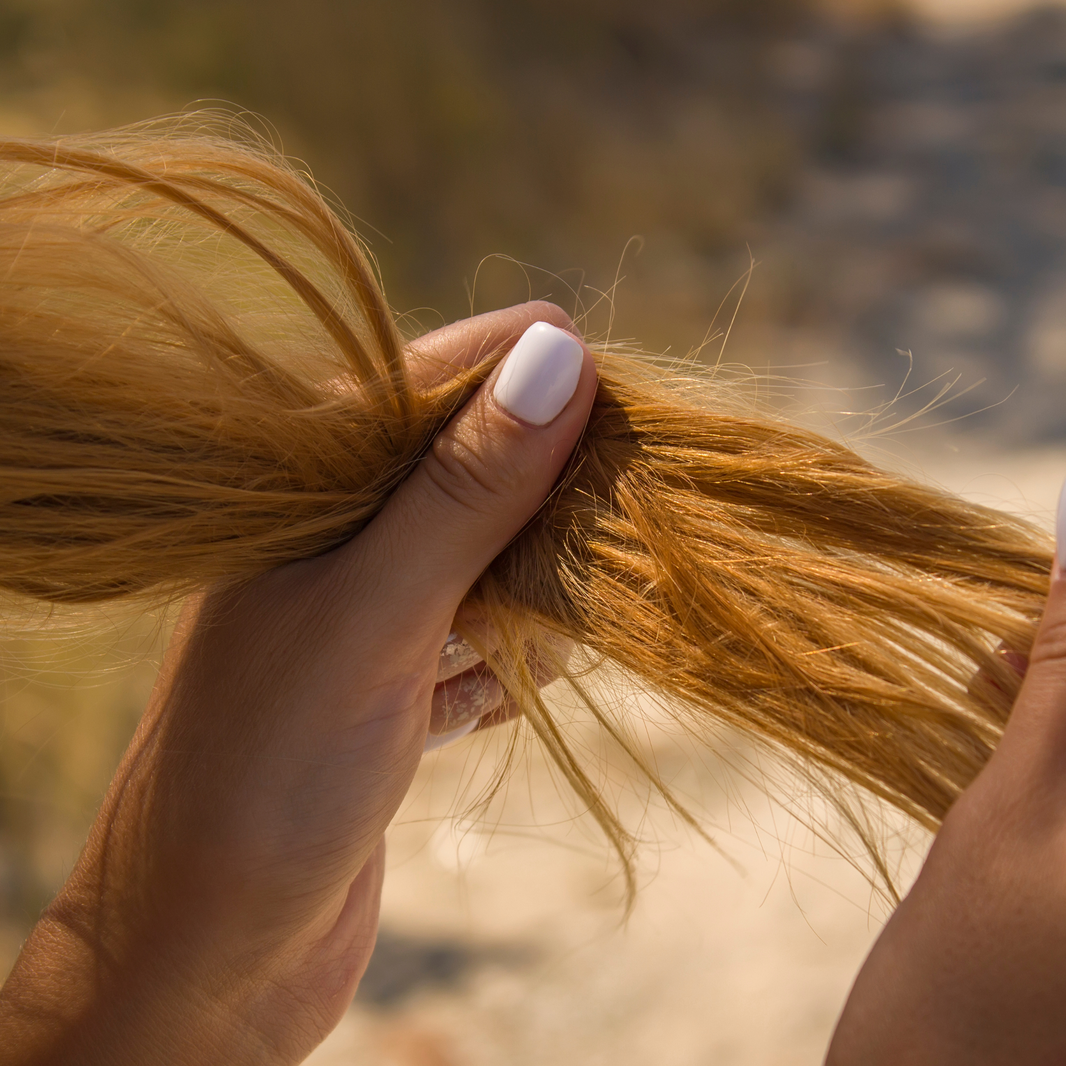
¿Cómo tienes el cabello?
-
Colección formulada para los cabellos dañados y débiles....
-
Si quieres tener un cabello liso y revertir...
-
Colección diseñada para neutralizar los tonos indeseados, rejuveneciendo...
-
Colección para los cabellos rebeldes. Disciplina para el...
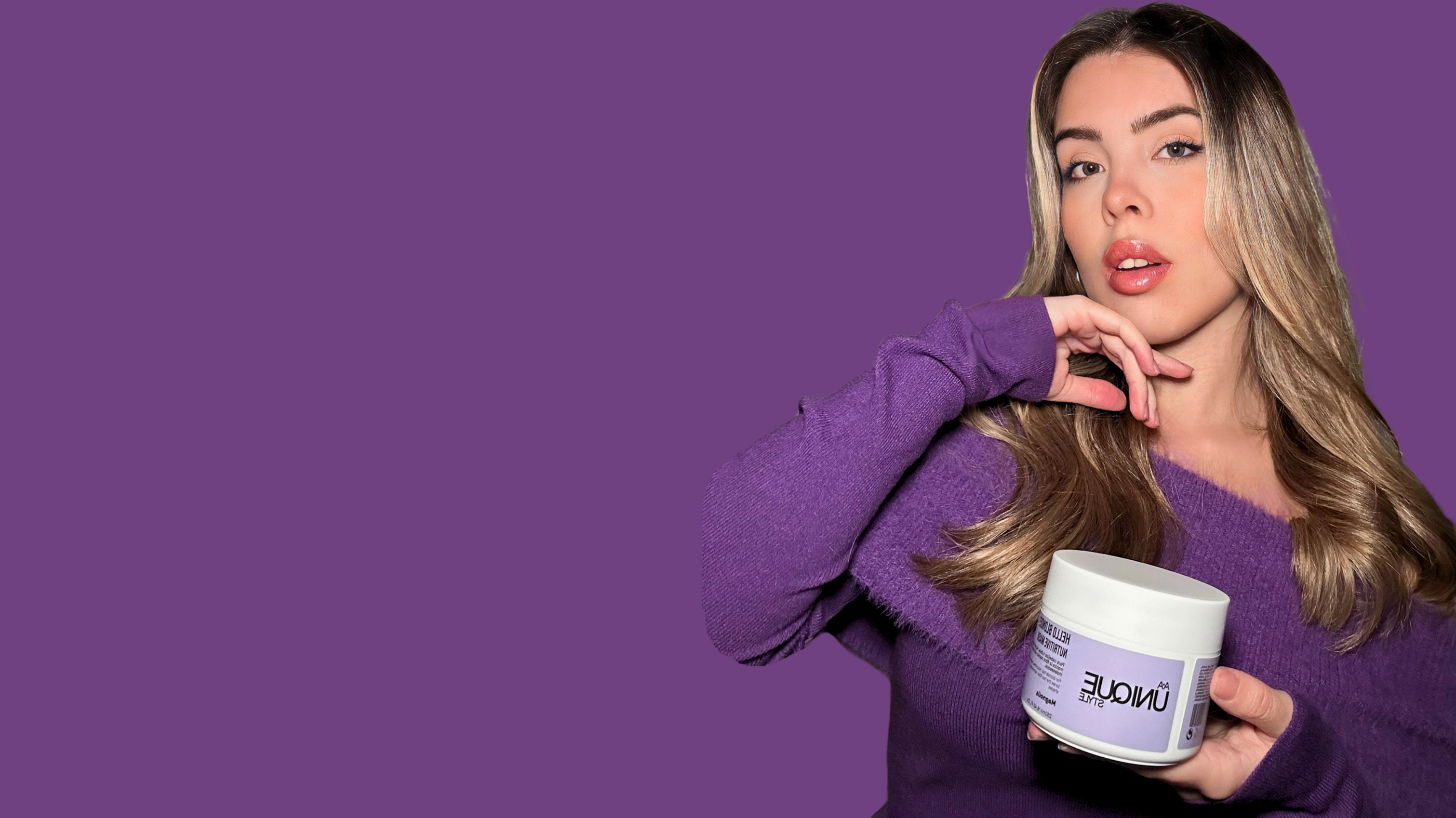
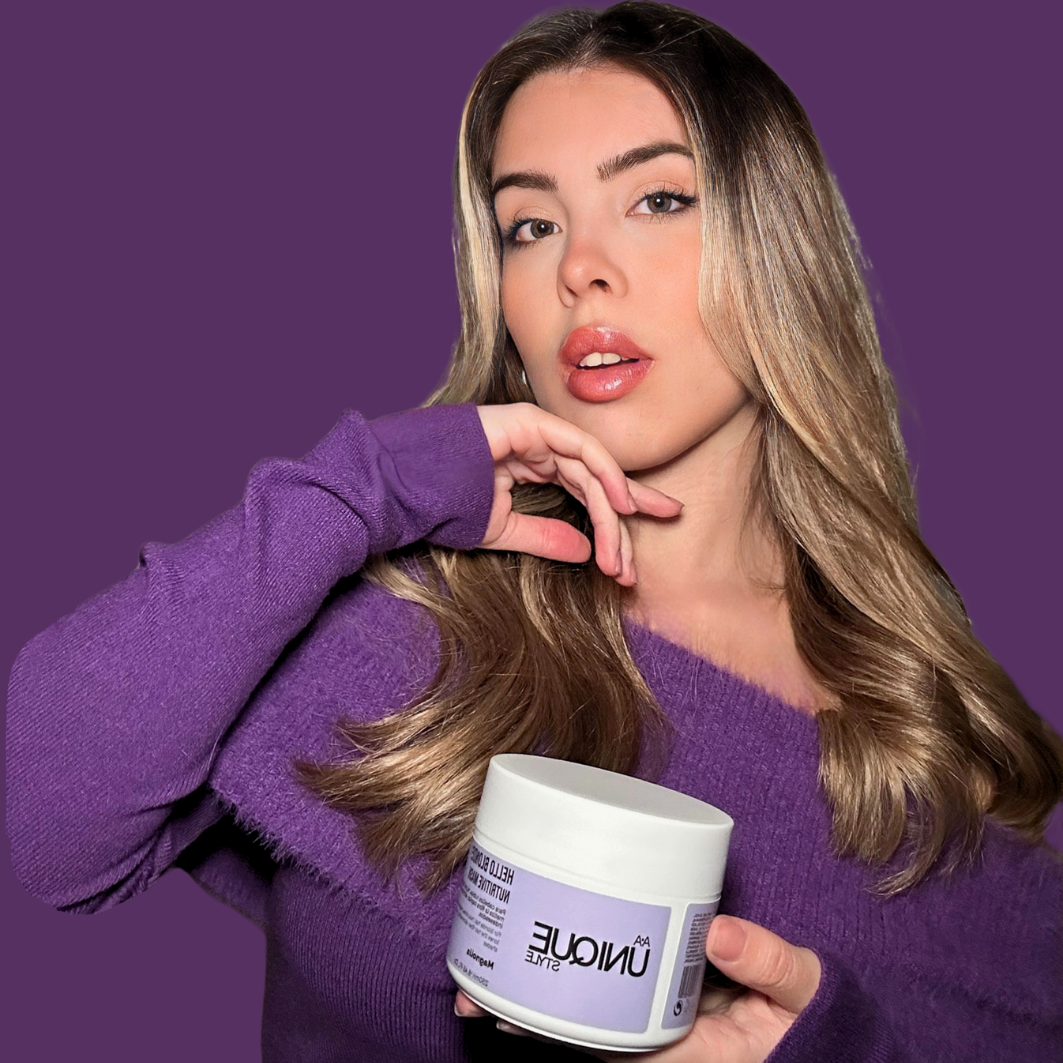
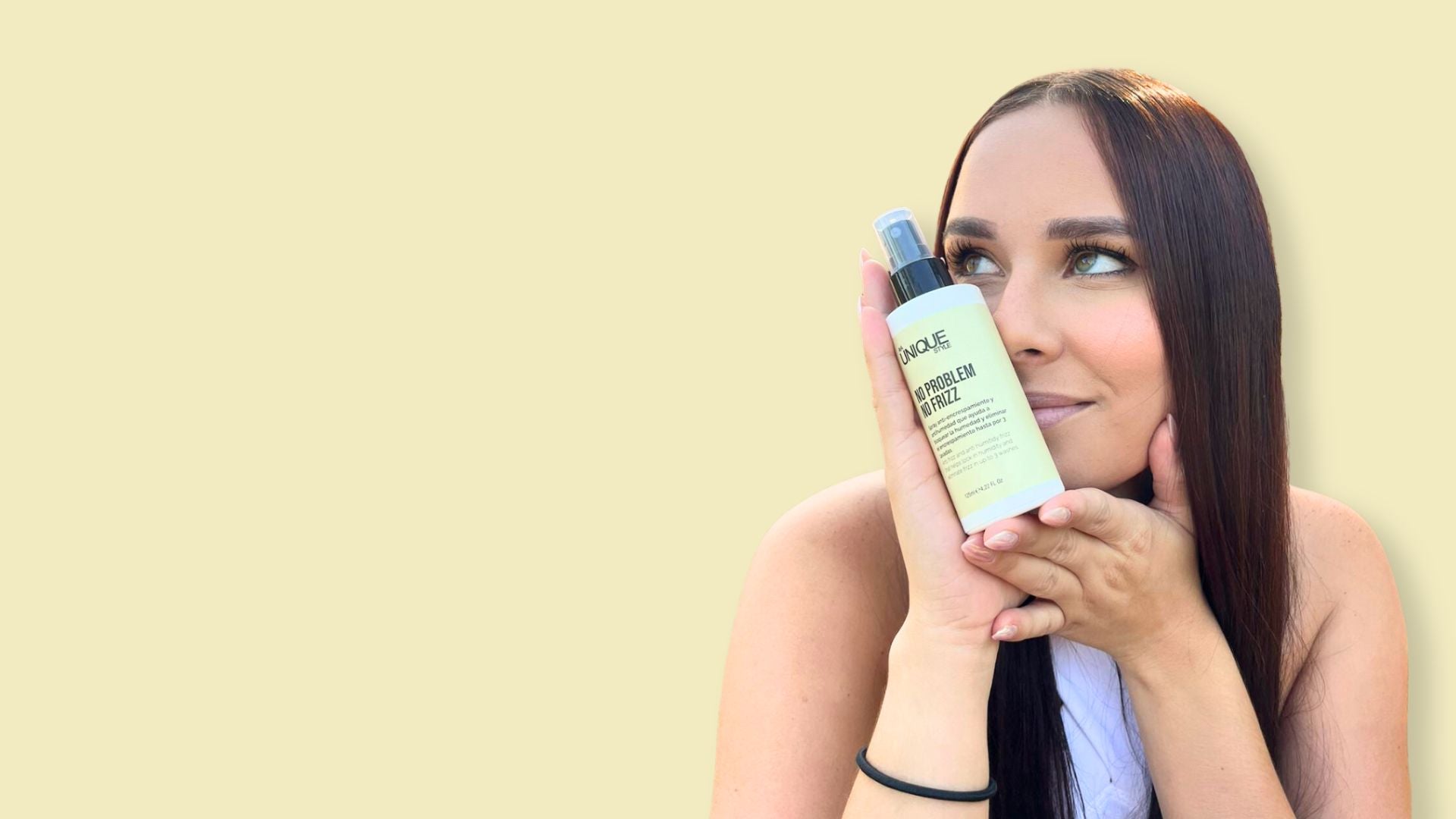
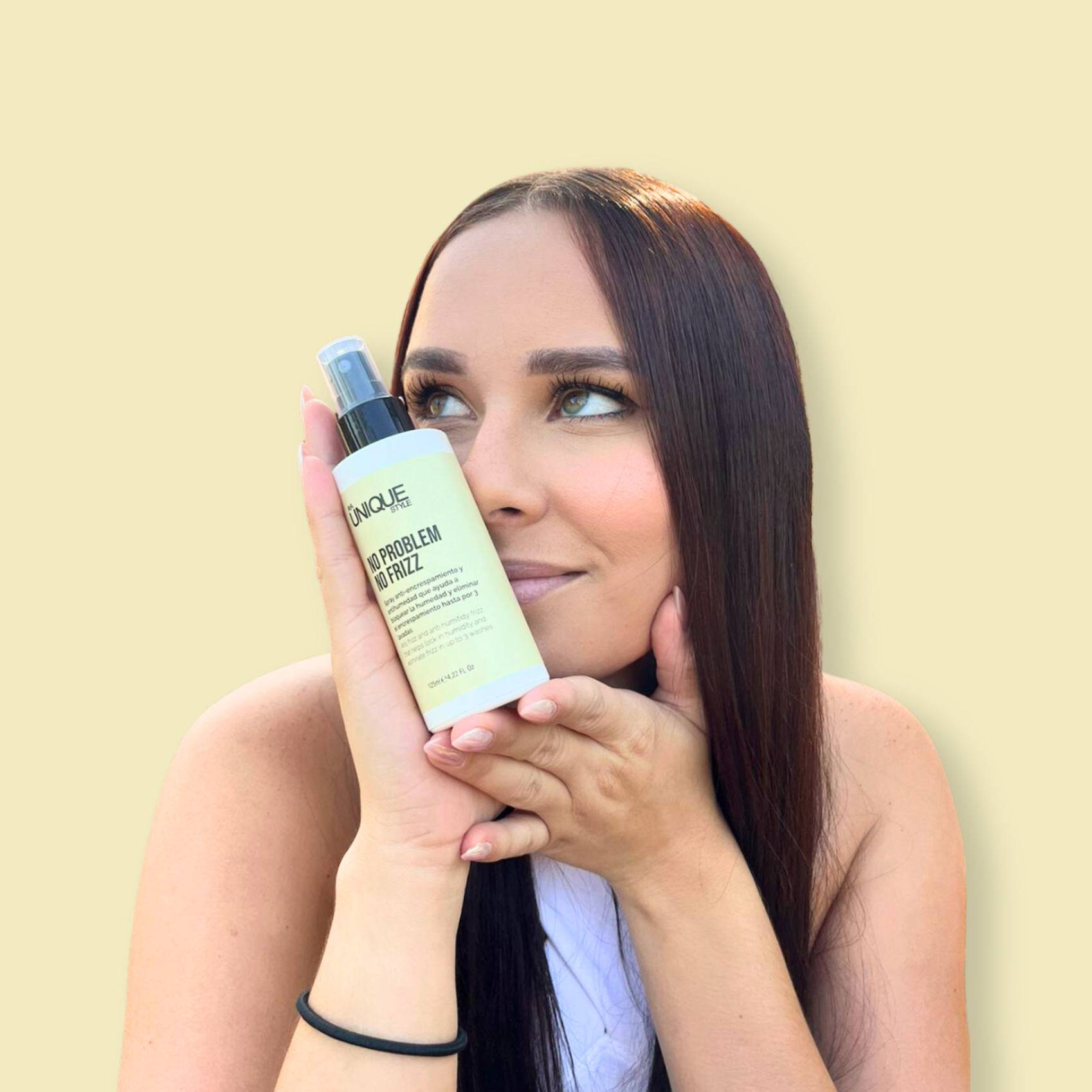
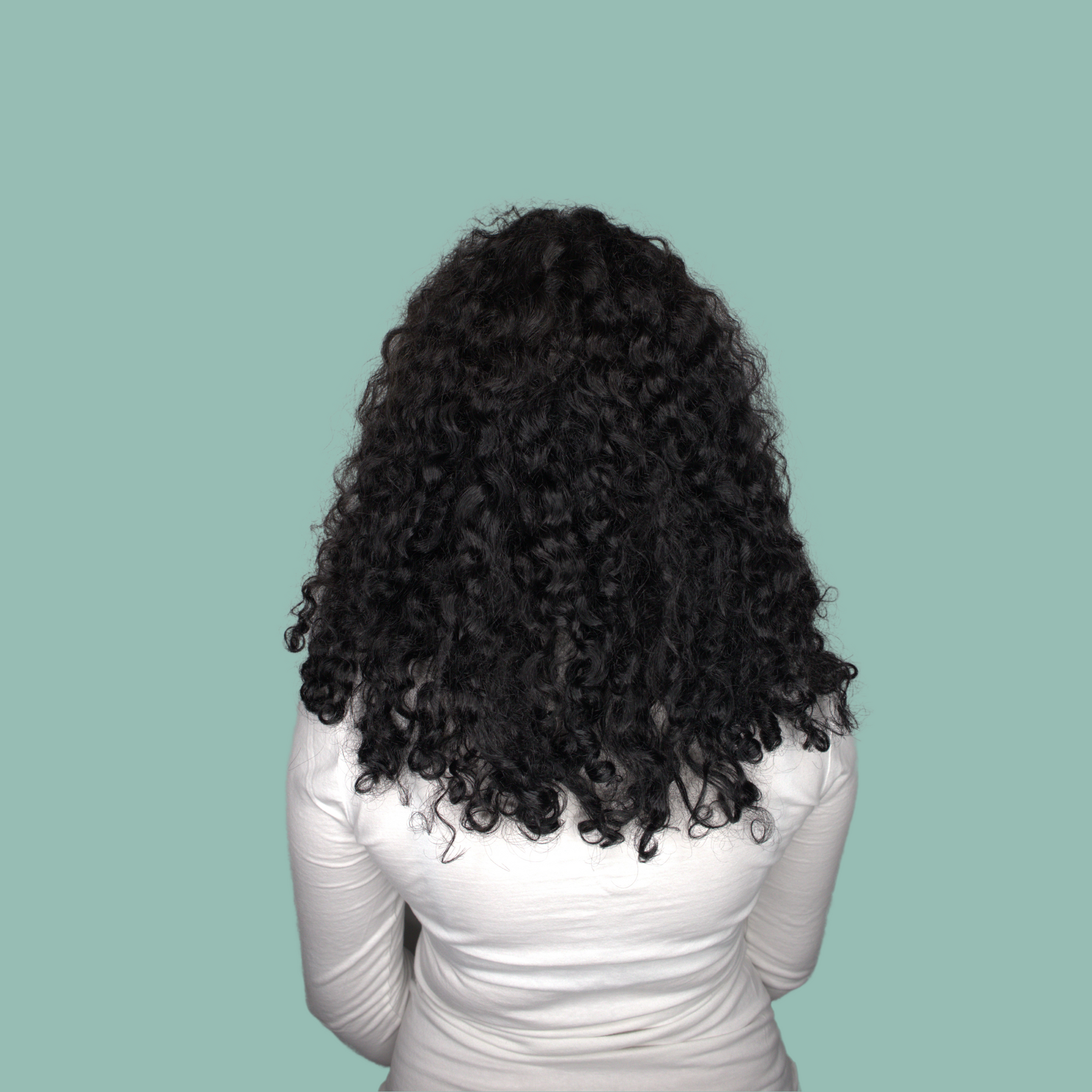
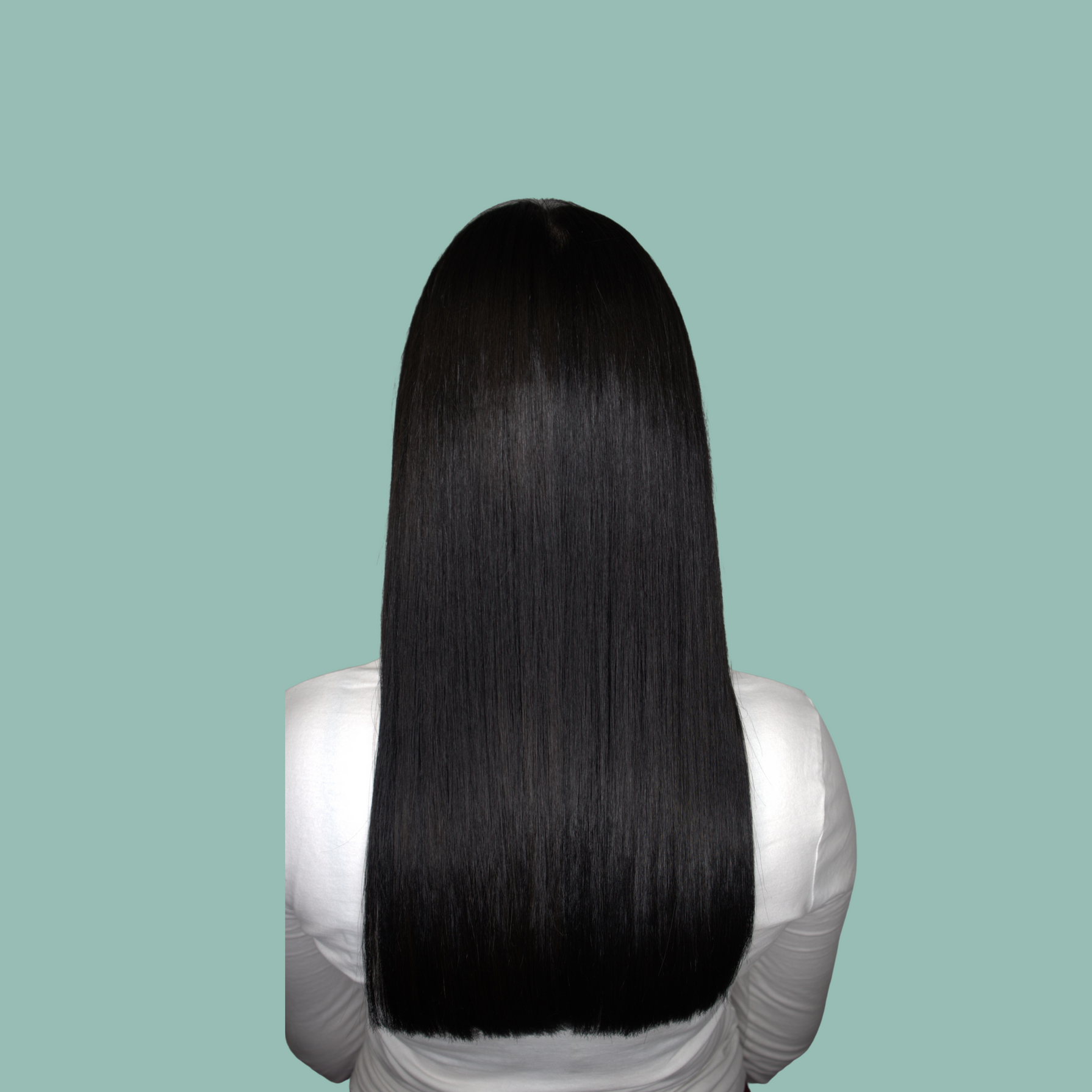
Ellas lo Recomiendan💞
Let customers speak for us
Increíble, el brillo es impresionante, la suavidad una pasada y tengo el cabello rizado desde la raíz a las puntas y ahora mismo lo tengo muy sedoso y ya lo he lavado, quería esperar a poner la reseña una vez lavara por primera vez el cabello y está increíble.
Repetiré seguro y me haré con el resto de productos.
Según vayan pasando los meses haré otra reseña para compartir como me ha ido el proceso.
Gracias!!! 😊💕

Tengo el pelo teñido y con muchas mechas rubias, este producto me quita totalmente el frizz, además lo deja suave durante días. Cumple todas mis expectativas.

Me ha gustado mucho los resultados, satisfecha el 100%
La verdad que e esperado unos días a ver los resultados , y la verdad que estoy encantada, a nada el pelo es mucho más brillante, sedoso, y lo mejor que súper rápido para peinarse , antes tardaba mucho, y ahora en poco tiempo me queda el pelo ideal
Me ha dejado el pelo tan sedoso que la pinza para el pelo resbala, súper indico, encanta

Ha sido mi primera compra, y la verdad que muy contenta! He probado miles de productos! Y de momento puedo decir que muy bien! Gracias!!
El pedido llegó muy rápido y en buenas condiciones. Ya la he probado y me encanta como deja el pelo.

Espectacular funciona de maravilla
Compra acertada. Volveré a repetir sin duda. Y te mandanun regalito!! Graciasss
Productos orgánicos que dejan el cabello muy suave y sano

Me he dejado el pelo muy bien
Suave y sedoso
Lo estoy utilizando y es un kit genial, realmente este tratamiento quita el encrespamiento, y dura el cabello limpio más tiempo. Sólo con estos dos productos ya te aseguras un pelo sin encrespar. Muy recomendable si sufres de encrespamiento, lo acabo con calor (secador, plancha). Dura el efecto hasta el siguiente lavado en perfectas condiciones.

Me dan buena pinta los productos y por recomendación de amigas lo compre, no me llegó el kit que había solicitado pero escribí y tuve una respuesta rápida que me ayudarían a solucionarlo.. Esperemos lleguen pronto Xoxo